As the vibrant capital of Spain, Madrid is a city that seamlessly blends tradition with modernity, offering a unique experience for visitors and locals alike. From the world-class museums to the lively nightlife, Madrid has something for everyone. However, to truly experience the essence of this magnificent city, one must delve into its diverse neighborhoods, each with its own distinct character, history, and charm. In this comprehensive guide, we’ll explore the most notable Madrid neighborhoods, providing you with valuable insights to help you navigate and discover the best of what this incredible city has to offer.
Madrid is divided into 21 districts, each comprising several neighborhoods that reflect the city’s rich cultural and architectural heritage. Understanding these neighborhoods is key to making the most of your visit, whether you’re interested in history, art, food, shopping, or entertainment. Some of the most popular neighborhoods among tourists and expats include Malasaña, known for its bohemian vibe and street art; Chueca, the heart of Madrid’s LGBTQ+ community, famous for its trendy bars and restaurants; and Salamanca, a upscale district that’s a shopper’s paradise, offering everything from high-end boutiques to local markets.
For those looking for a more authentic experience, exploring neighborhoods like La Latina, with its medieval streets and lively tapas scene, or Lavapiés, a multicultural area filled with international cuisine and boutique shops, can be incredibly rewarding. These neighborhoods not only offer a glimpse into the daily life of Madrileños but also provide a wide range of accommodations, from budget-friendly hostels to luxury apartments, making them ideal for both short-term visitors and long-term residents.
When it comes to living in Madrid, choosing the right neighborhood can make all the difference. Here’s a brief overview of what some of the key neighborhoods have to offer:
Each neighborhood in Madrid has its unique advantages and disadvantages, and the choice of where to live depends on your personal preferences, budget, and lifestyle. Whether you’re looking for the vibrancy of city life or the tranquility of a more residential area, Madrid has a neighborhood that fits your needs.
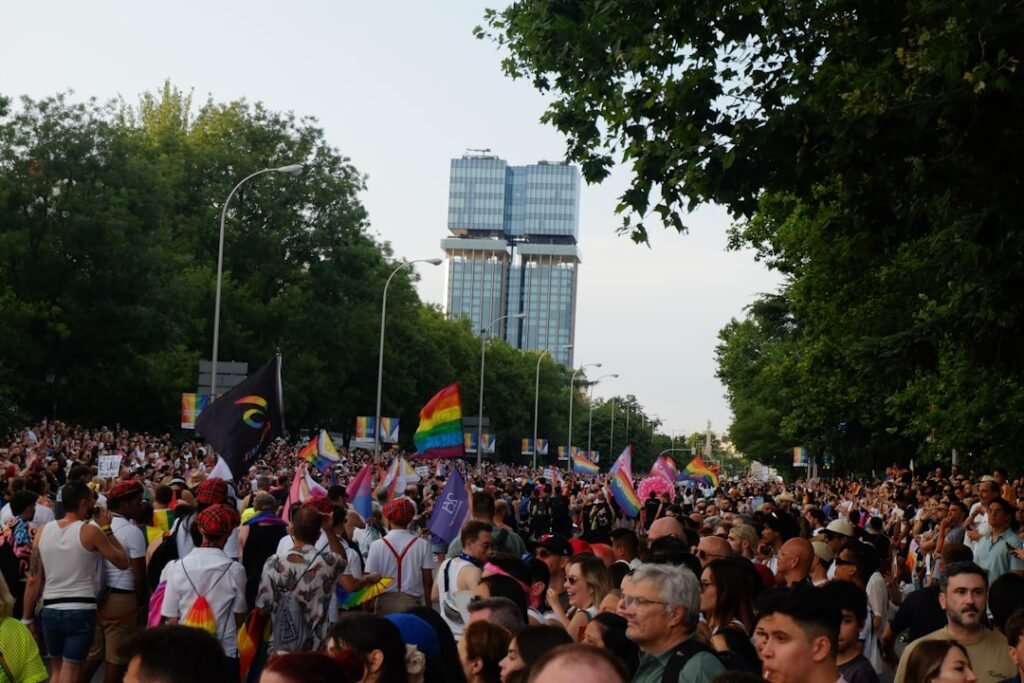
Madrid is renowned for its cultural attractions, including the Prado Museum, Reina Sofia Museum, and Thyssen-Bornemisza National Museum, which together form the Golden Triangle of Art. These world-class museums are located in the city center, making them easily accessible from most neighborhoods. Additionally, the city hosts numerous festivals and events throughout the year, such as the Madrid Pride parade, the Autumn Festival, and the Christmas markets, which take place in various neighborhoods and offer a glimpse into the city’s vibrant cultural scene.
For those interested in leisure activities, Madrid has plenty to offer. The Retiro Park is a must-visit, with its beautiful gardens, lake, and plenty of space for picnics or outdoor activities. The Sierra de Guadarrama mountains are just a short train ride away, providing opportunities for hiking and skiing. The city also has several shopping centers and traditional markets, like the Mercado de San Miguel, where you can find everything from fresh produce to local handicrafts.
Madrid’s diverse neighborhoods are the heart and soul of the city, each offering a unique blend of history, culture, entertainment, and lifestyle. Whether you’re planning a short visit or considering making Madrid your home, understanding its neighborhoods is essential to unlocking the full potential of your experience. From the trendy bars of Malasaña to the upscale boutiques of Salamanca, and from the family-friendly atmosphere of Retiro to the multicultural vibrancy of Lavapiés, Madrid has a neighborhood that’s sure to captivate your heart.
Key takeaways for navigating Madrid’s neighborhoods include:
By embracing the diversity and complexity of Madrid’s neighborhoods, you’ll not only have a more fulfilling experience but also gain a deeper appreciation for the city’s rich heritage and its people. So, dive into the world of Madrid’s neighborhoods, and let the adventure begin!