—
Imagine stepping out of your front door and instantly being transported to a completely new world—one minute you’re strolling through medieval alleyways, the next you’re sipping a craft cocktail in a sleek, modern plaza. That’s the magic of Madrid neighborhoods. Unlike many capitals where the city feels homogenous, Madrid is a patchwork of distinct districts, each with its own personality, history, and rhythm of life. Whether you’re planning a short stay, scouting a place to call home, or simply curious about where the locals love to eat, shop, and unwind, this guide will walk you through the most exciting corners of the Spanish capital. Grab a café con leche and let’s explore the neighborhoods that make Madrid truly unforgettable.
—
The area surrounding Puerta del Sol is the literal and figurative beating heart of Madrid. It’s where you’ll find the iconic “Kilometer Zero” plaque, the famous Bear and the Strawberry Tree statue, and a constant buzz of activity. Just a few minutes’ walk away, La Latina offers a maze of narrow streets, centuries‑old taverns, and the bustling El Rastro flea market every Sunday.
| Activity | Where to Go | Insider Advice |
|———-|————|—————-|
| Morning coffee | Café de Oriente (near the Royal Palace) | Grab a seat on the terrace for a view of the palace gardens. |
| Tapas crawl | Calle Cava Baja (La Latina) | Hop between Casa Lucio (famous for “huevos rotos”) and Taberna La Concha for authentic vermouth. |
| Cultural stop | Plaza Mayor | Visit early to avoid crowds and snap photos of the stunning arcades. |
| Shopping | Gran Vía | Look for hidden boutiques in the side streets off the main boulevard. |
| Public transport | Sol Metro Station (Lines 1, 2, 3) | A perfect hub for connecting to any other district. |
Rent in Sol and the immediate surroundings can be steep—studio apartments often start at €900–€1,200 per month. However, the convenience of having everything within walking distance makes it a top pick for young professionals and tourists who want to “live in the middle of the action.”
SEO keywords: historic Madrid neighborhoods, Sol Madrid guide, La Latina tapas, things to do in Sol, best places to stay in central Madrid.
—
If you’re after luxury shopping, elegant boulevards, and leafy avenues, look no further than Barrio de Salamanca. This district boasts the famed Golden Mile (Calle Serrano), high‑end designer boutiques, and the beautiful Retiro Park just on its border. A little farther north, Chamartín blends upscale residential vibes with excellent transport links, including the city’s main train station, Chamartín.
Salaried professionals love Salamanca for its safety, proximity to business districts, and high‑quality schools. A two‑bedroom apartment can range from €1,300 to €2,200 per month, depending on proximity to the “Golden Mile.” Chamartín offers slightly more affordable options, with spacious apartments in the €1,000–€1,500 range, plus excellent connectivity to the rest of the city.
SEO keywords: upscale Madrid neighborhoods, Salamanca luxury shopping, Chamartín apartments, best residential areas Madrid, green spaces in Madrid.
—
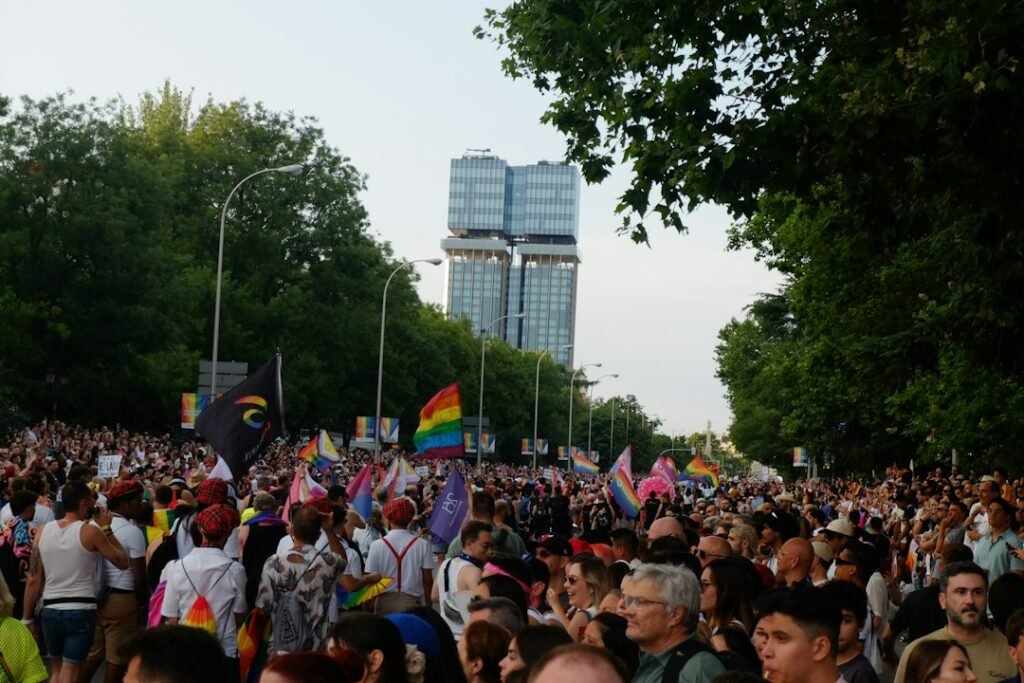
For those who crave creativity, nightlife, and a youthful vibe, Malasaña and Chueca are the go‑to neighborhoods. Malasaña, the birthplace of the Movida Madrileña in the 80s, still pulses with vintage shops, street art, and indie music venues. Just a stone’s throw away, Chueca shines as the LGBTQ+ hub of the city, celebrated for its inclusive atmosphere, trendy cafés, and avant‑garde fashion.
Rent is moderate compared to Salamanca but higher than more peripheral districts. Expect a one‑bedroom apartment at €900–€1,200 per month. The neighborhoods attract students, artists, and young entrepreneurs who appreciate the walkable lifestyle and vibrant community.
SEO keywords: bohemian Madrid neighborhoods, Malasaña nightlife, Chueca LGBTQ+ scene, best bars in Malasaña, where to stay in Chueca.
—
If you’re moving to Madrid with kids or simply want a quieter, more residential feel, Retiro and Moncloa combine green spaces, reputable schools, and a relaxed pace while staying well‑connected to the city center. Retiro is famed for the sprawling Parque del Buen Retiro, while Moncloa offers a mix of university life and modern housing complexes.
Family-sized apartments (2–3 bedrooms) typically cost €1,200–€1,800 per month in Retiro and €1,000–€1,500 in Moncloa. The neighborhoods provide a balanced lifestyle—quiet evenings at home, easy access to parks, and a short metro ride to downtown for weekend outings.
SEO keywords: family-friendly neighborhoods Madrid, Retiro park activities, Moncloa housing, best schools in Madrid, living in Retiro Madrid.
—
For travelers and locals looking to discover the next “cool” area before it becomes mainstream, Lavapiés and Tetuán are the districts to watch. Lavapiés is a cultural melting pot, brimming with international cuisine, art galleries, and a thriving street‑performance scene. Tetuán, historically a working‑class neighborhood, is undergoing revitalization with new co‑working spaces, micro‑breweries, and affordable eateries.
Rent remains among the most affordable in central Madrid. A two‑bedroom apartment in Lavapiés can be found for €900–€1,100, while Tetuán offers similar prices with slightly larger floor plans. The neighborhoods attract students, expats, and creative professionals who value cultural diversity and lower living costs.
SEO keywords: emerging Madrid neighborhoods, Lavapiés multicultural, Tetuán affordable housing, best food markets Madrid, hidden gems in Madrid.
—
Madrid’s neighborhoods are as varied as the city’s famous tapas—each bite offers a distinct flavor, and together they create a culinary masterpiece. Whether you’re drawn to the historic charm of Sol and La Latina, the luxury of Salamanca, the artistic buzz of Malasaña and Chueca, the family-friendly calm of Retiro and Moncloa, or the off‑beat excitement of Lavapiés and Tetuán, there’s a district that fits your lifestyle, budget, and personal taste.
Key Takeaways
1. Location matters: Proximity to Metro lines and major attractions can dramatically affect daily convenience.
2. Budget vs. lifestyle: Upscale districts like Salamanca command higher rents, while emerging areas such as Lavapiés offer affordability without sacrificing culture.
3. Community vibe: Spend a few hours walking the streets, chatting with locals, and sampling food to gauge the neighborhood’s personality before committing.
4. Future growth: Keep an eye on revitalization projects (e.g., Tetuán) for potential investment opportunities and new amenities.
Madrid is a city that rewards exploration—every barrio has its own story to tell. Use this guide as a roadmap, but don’t forget to wander off the beaten path. The next hidden café, street mural, or quiet park could become your favorite spot in the capital. Happy exploring!