—
Introduction – Why Madrid’s Neighborhoods Feel Like Different Cities
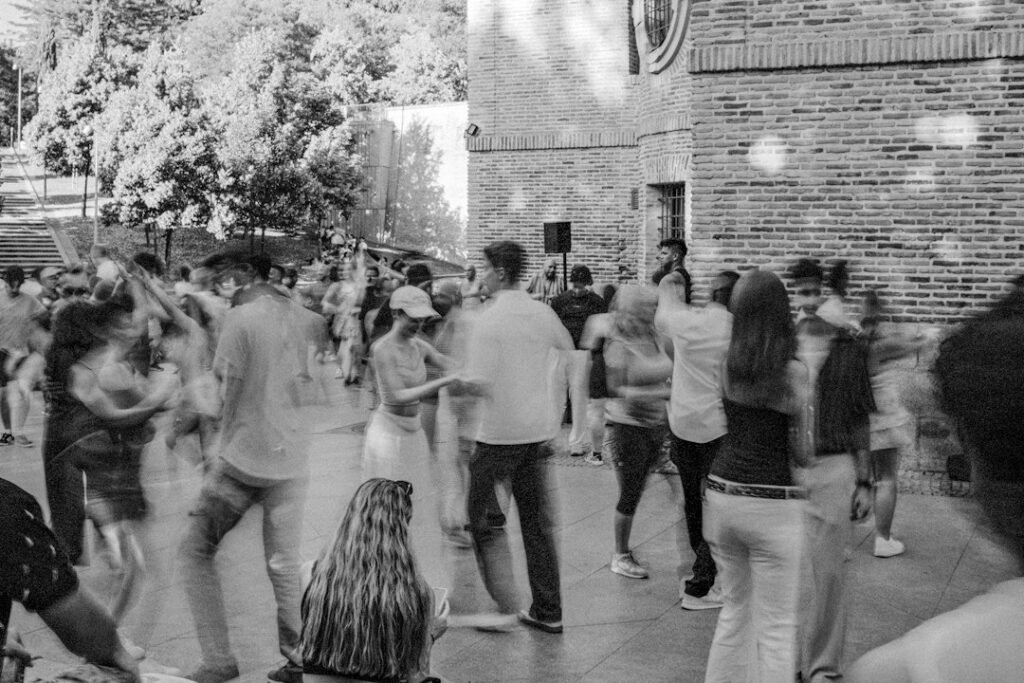
Imagine stepping out of your hotel and instantly feeling the pulse of a new world—whether it’s the bohemian buzz of art studios, the elegant rhythm of grand boulevards, or the lively chatter of tapas bars spilling onto sun‑kissed plazas. That’s the magic of Madrid neighborhoods. Each district has its own personality, history, and set of hidden gems, making the Spanish capital a mosaic of experiences that can satisfy any traveler, digital nomad, or family looking to settle down.
In this guide we’ll walk you through the most iconic and up‑and‑coming areas of the Spanish capital, offering practical tips on what to see, where to eat, how to get around, and what type of lifestyle each neighborhood supports. By the end, you’ll know exactly which corner of Madrid fits your vibe—whether you crave nightlife, culture, green spaces, or a family‑friendly atmosphere.
—
1. Centro: The Historic Heartbeat of Madrid
What Makes Centro Special?
Centro is the historic core of Madrid, home to world‑renowned landmarks such as the Puerta del Sol, Plaza Mayor, and the Royal Palace. Walking its cobblestone streets feels like flipping through a living history book—Baroque churches sit shoulder‑to‑shoulder with modern boutique hotels, and centuries‑old markets still buzz with locals buying fresh produce.
Must‑See Attractions
| Attraction | Why Visit? | Insider Tip |
|————|————|————-|
| Palacio Real | Grand royal architecture, changing of the guard | Book a guided tour for the hidden Royal Armoury |
| | | |
| Museo del Prado (just a short walk) | One of the world’s finest art collections | Arrive early; free entry after 6 p.m. (Mon‑Sat) |
| Mercado de San Miguel | Gourmet food hall with tapas from top chefs | Try the Iberian ham croquette and a glass of sherry |
| La Latina’s Calle Cava Baja | Authentic tavernas and vibrant nightlife | Visit on a Sunday for the El Rastro flea market nearby |
Living Here: Who It’s Best For
- Travelers who want to be in the middle of the action – everything is a 5‑minute walk.
- Culture lovers – museums, historic sites, and theatrical venues are at your doorstep.
- Night owls – the area never sleeps; bars stay open till dawn.
Practical Tips
- Transportation: Metro lines 1, 2, and 3 intersect at Sol, making the rest of the city easily reachable.
- Cost: Expect higher accommodation prices; look for boutique guesthouses or short‑term rentals in side streets like Calle de la Palma for better deals.
- Safety: Busy streets are safe, but keep an eye on belongings in crowded plazas.
—
2. Salamanca: Luxury, Shopping, and Sophisticated Living
Why Choose Salamanca?
If you picture Madrid as a fashion runway, Salamanca is the front‑row seat. This upscale district, bounded by the Calle de Serrano and Calle de José Ortega y Gasset, is famous for its designer boutiques, Michelin‑starred restaurants, and elegant residential buildings with high‑ceilinged apartments.
Top Highlights
- Calle de Serrano – Spain’s answer to Fifth Avenue; home to Loewe, Chanel, and El Corte Inglés.
- Parque del Retiro (South Edge) – A perfect escape for a jog or a paddle‑boat ride.
- Museo Arqueológico Nacional – A quieter cultural spot compared to the Prado.
- Plaza de la República del Perú – A charming square surrounded by cafés perfect for people‑watching.
Who Will Thrive Here?
- Professionals and expats seeking a high‑standard of living and easy access to corporate offices.
- Foodies who appreciate fine dining; try Ramon Freixa (two Michelin stars) or the contemporary El Paraguas for Asturian cuisine.
- Families looking for safe streets, green spaces, and reputable international schools (e.g., Colegio Internacional SEK).
Actionable Advice
- Housing: Look for apartments in the Almagro sub‑area; they often have modern amenities and a slightly lower price point than the ultra‑luxury streets.
- Transport: Metro lines 4 and 9 serve the district; a short walk to Atocha station connects you to high‑speed AVE trains.
- Budget: Expect rent for a one‑bedroom to start around €1,200–€1,500 per month.
—
3. Malasaña & Chueca: Bohemian Vibes & LGBTQ+ Friendly Energy
The Spirit of Malasaña
Once the epicenter of Madrid’s “Movida” counter‑culture in the 1980s, Malasaña now blends vintage shops, street art, and indie coffee houses. It’s the perfect playground for creatives, digital nomads, and anyone who loves a neighborhood that feels alive 24/7.
Highlights in Malasaña
- Calle Fuencarral – Trendy boutiques, sneaker stores, and the iconic El Tigre tapas bar.
- Plaza del Dos de Mayo – A lively square surrounded by bars with live music.
- Mercado de Vallehermoso – A revamped market offering fresh produce and artisanal stalls.
Why Chueca Stands Out
Just a stone’s throw away, Chueca is Madrid’s most celebrated LGBTQ+ district. It’s known for its inclusive atmosphere, stylish boutiques, and a nightlife that ranges from sophisticated cocktail lounges to high‑energy dance clubs.
- Calle Hortaleza – Home to designer concept stores and the Museo del Romanticismo.
- Plaza de Chueca – The heart of the community; a great spot for brunch at Café Federal.
Ideal Residents
- Young professionals & freelancers looking for coworking cafés (e.g., Impact Hub Madrid in Malasaña).
- LGBTQ+ travelers seeking a welcoming environment with events like the Madrid Pride Parade (held in Chueca).
- Students from nearby universities (Universidad Complutense) who want affordable, vibrant living.
Tips for Making the Most of These Areas
- Nightlife: Arrive early for happy hour deals at Casa Camacho (Malasaña) and Del Diego (Chueca).
- Shopping: Hunt for vintage gems in Ropa Vieja (Malasaña) and high‑end local designers in Calle Pelayo (Chueca).
- Transport: Both neighborhoods are serviced by Metro lines 1, 2, and 3 (Sol, Tribunal, and Chueca stations).
—
4. Lavapiés & La Latina: Authentic Madrid with a Global Twist
Lavapiés – A Melting Pot of Cultures
Historically a working‑class district, Lavapiés has transformed into a multicultural hub where African, Asian, and Latin American influences converge. The streets are lined with tapas bars, art galleries, and cultural centers like Tabacalera, a former tobacco factory turned contemporary art space.
- Calle Argumosa – Known for its rooftop terraces and experimental cuisine.
- Mercado de San Ildefonso – A food‑court style market offering everything from sushi to paella.
La Latina – The Classic Tapas Quarter
Just south of Lavapiés, La Latina is the go‑to neighborhood for traditional Spanish tapas and a laid‑back vibe. Its narrow lanes open onto bustling plazas such as Cava Baja and Cava Alta, where locals gather for vermut and patatas bravas.
- El Viajero – A rooftop bar with panoramic city views, perfect for sunset drinks.
- El Rastro (Sundays) – Europe’s largest flea market, stretching through La Latina’s streets.
Who Should Call These Neighborhoods Home?
- Food enthusiasts eager to explore authentic and fusion cuisines.
- Artists and creatives who appreciate affordable studio spaces and a supportive community.
- Budget travelers looking for hostels and guesthouses that won’t break the bank.
Practical Advice
- Accommodation: Look for “piso compartido” (shared apartments) on platforms like Badi or Idealista for cost‑effective stays.
- Safety: These areas are safe during the day; at night, stick to well‑lit streets and popular venues.
- Transport: Metro lines 3 and 5 serve Lavapiés (Lavapiés station) and La Latina (La Latina station).
—
5. Chamberí & Moncloa: Residential Calm with Urban Convenience
Chamberí – Classic Madrid with Modern Amenities
Chamberí offers a residential feel while staying close to the city centre. Tree‑lined avenues such as Calle de Bravo Murillo host a mix of traditional taverns and modern cafés. The Museo Sorolla, dedicated to the painter Joaquín Sorolla, provides a quiet cultural escape.
- Plaza de Chamberí – A local hub with a weekly farmers market.
- Café Murillo – Ideal for remote work with fast Wi‑Fi and artisanal coffee.
Moncloa – Student‑Friendly and Green
Located near Ciudad Universitaria, Moncloa is a hub for students and young families. The district boasts Casa de Campo, Madrid’s largest urban park, offering hiking trails, a lake, and a cable car.
- Plaza de Moncloa – Surrounded by restaurants, cinemas, and the Moncloa Transport Hub (Metro lines 3, 6, 10).
- Parque del Oeste – Home to the Teleférico (cable car) that gives stunning views of the Royal Palace.
Who Benefits Most?
- Families who need schools, parks, and quieter streets.
- Students attending Universidad Complutense or Universidad Politécnica.
- Professionals who want a balanced lifestyle—close to work but away from the tourist rush.
Actionable Tips
- Housing: Look for apartments near Ronda de la Universidad (Chamberí) for good transport links and lower rent than central districts.
- Recreation: Use the Metrobus line 60 for a scenic ride along the river from Moncloa to Atocha.
- Budget: Expect monthly rents around €900–€1,200 for a one‑bedroom apartment, making it a more affordable alternative to Salamanca or Centro.
—
Conclusion – Pick the Madrid Neighborhood That Matches Your Lifestyle
Madrid’s neighborhoods are more than just geographic zones; they’re living, breathing personalities that shape how you experience the city. Whether you’re drawn to the historic grandeur of Centro, the upscale elegance of Salamanca, the bohemian buzz of Malasaña & Chueca, the multicultural flavors of Lavapiés & La Latina, or the family‑friendly calm of Chamberí & Moncloa, there’s a district that fits your rhythm.
Key Takeaways:
1. Location matters: Proximity to metro lines (1, 2, 3, 4, 5, 6, 9, 10) can dramatically improve daily convenience.
2. Lifestyle alignment: Choose neighborhoods that reflect your priorities—nightlife, luxury, culture, affordability, or green spaces.
3. Budget planning: Expect higher rents in Centro and Salamanca; Chamberí, Moncloa, and Lavapiés offer more wallet‑friendly options.
4. Local immersion: Spend at least a few hours wandering each area’s plazas, markets, and cafés to truly feel the vibe before committing to a long‑term stay.
By understanding the unique strengths of each Madrid neighborhood, you’ll not only navigate the city like a local but also find a place that feels like home—whether you’re visiting for a week, working remotely for months, or planning to settle permanently.
Ready to explore? Grab a Metro card, head to the nearest station, and let Madrid’s diverse districts unveil their stories one street at a time. Happy travels!