—
Introduction: Why Madrid’s Neighborhoods Feel Like Different Cities in One
Imagine stepping out of your hotel in the heart of Madrid and, within a few metro stops, finding yourself in a medieval alley buzzing with tapas bars, then in a sleek boulevard lined with designer boutiques, and finally in a leafy residential street where families enjoy weekend picnics. That’s the magic of Madrid’s neighborhoods – each one has its own personality, history, and rhythm. Whether you’re planning a short getaway, a long‑term stay, or even a move to the capital, knowing which district fits your lifestyle can turn a good trip into an unforgettable adventure. In this guide we’ll walk you through the best neighborhoods in Madrid, highlighting what makes them special, practical tips for getting around, and insider recommendations that only locals know.
—
1. Historic Heartbeat: Sol, La Latina & the Royal Quarter
Why it matters: If you want to feel the pulse of Madrid’s past while staying within walking distance of the city’s top attractions, the historic core is unbeatable.
What to See & Do
- Puerta del Sol: The iconic “kilometer zero” square, perfect for people‑watching and snapping a selfie with the famous Bear and the Strawberry Tree statue.
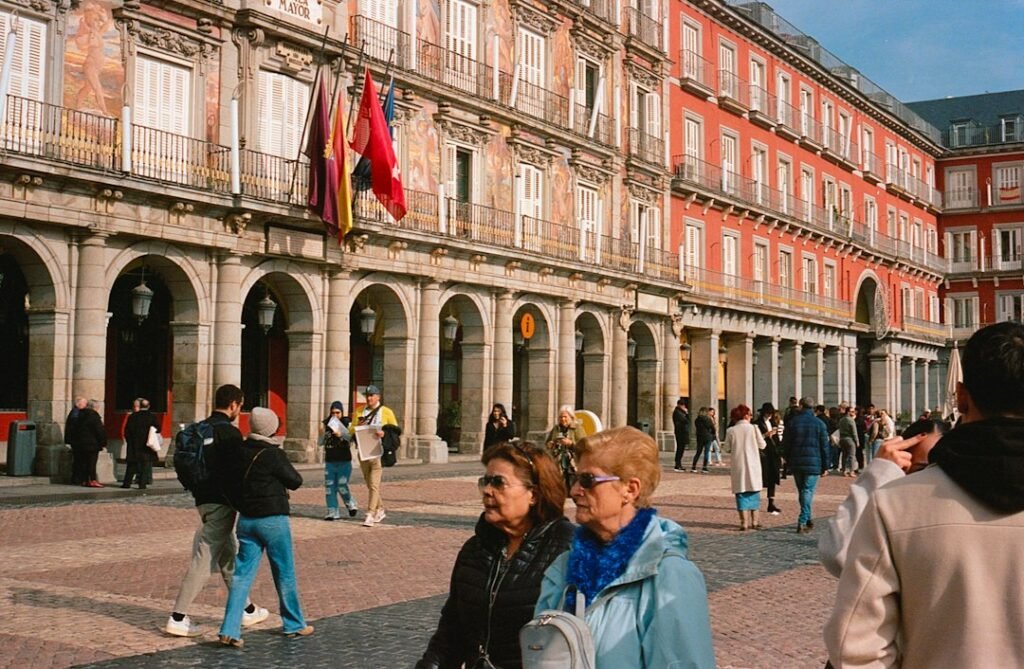
- Plaza Mayor: A 17th‑century arcaded square surrounded by cafés; ideal for a morning café con leche and a churro.
- Royal Palace & Almudena Cathedral: Just a short stroll from Sol, these landmarks offer free guided tours on certain days.
Where to Eat & Drink
- Taberna La Concha (La Latina): Legendary for its fried fish and vermouth.
- Mercado de San Miguel: A gourmet food market where you can sample jamón ibérico, paella, and local wines under one roof.
Practical Tips
- Transportation: Sol is the hub of Madrid’s metro (Lines 1, 2, 3) and commuter trains (Cercanías). Grab a Tarjeta Multi for unlimited travel and hop on foot to most sights.
- Accommodation: Expect higher nightly rates here, but many boutique hotels offer “early‑bird” discounts if you book 2‑3 months in advance.
- Safety: The area is busy 24/7, but keep an eye on your belongings in crowded squares, especially during festivals.
Actionable Takeaway: Spend at least two full days exploring Sol and La Latina, then retreat to a nearby Airbnb in the Barrio de las Letras for a quieter night while staying within a 10‑minute walk of the action.
—
2. Trendy & Artistic: Malasaña & Chueca
Why it matters: For travelers who thrive on street art, indie boutiques, and a buzzing nightlife, these adjacent districts are Madrid’s creative hotbeds.
What to See & Do
- Malasaña’s Calle Fuencarral: A fashion mecca where vintage shops sit next to cutting‑edge designers.
- Chueca’s Plaza de Chueca: The LGBTQ+ epicenter, home to colorful murals, rooftop bars, and the weekly “Mercado de la Cebada” flea market.
- Street Art Tours: Join a guided walk (many free options) to discover hidden murals by local artists like Pepe Vela and Mona Lisa (the graffiti legend).
Where to Eat & Drink
- Ojalá (Malasaña): A quirky brunch spot with a sand‑filled “beach” interior and excellent avocado toast.
- El Tigre (Chueca): Famous for massive tapas platters that come free with a drink – perfect for a budget night out.
Practical Tips
- Transportation: Both neighborhoods are served by Metro Lines 1, 3, and 5 (Stops: Tribunal, Chueca, and Noviciado). A 30‑minute “Tourist Travel Pass” covers unlimited rides and is ideal for short stays.
- Accommodation: Hostels and boutique hotels here often include a communal kitchen, great for meeting fellow travelers.
- Nightlife: Bars stay open until 2 am on weekdays and 4 am on weekends. If you prefer a quieter evening, head to Café de Oriente for a classic Madrid cocktail with a view of the Royal Palace.
Actionable Takeaway: Allocate an evening to hop between Malasaña’s rooftop terraces and Chueca’s lively gay bars – you’ll experience two sides of Madrid’s modern culture in one night.
—
3. Upscale & Green: Salamanca & Chamartín
Why it matters: When luxury shopping, elegant architecture, and expansive parks are on your checklist, look north to Salamanca and Chamartín.
What to See & Do
- Calle Serrano (Salamanca): Madrid’s “Golden Mile” – home to flagship stores of Spanish designers like Loewe and Adolfo Domínguez.
- Retiro Park: Though technically in the adjacent district, its western edge borders Salamanca; rent a rowboat on the lake or join a free yoga class on the grass.
- Chamartín’s Santiago Bernabéu Stadium: A pilgrimage for football fans; book a VIP stadium tour for behind‑the‑scenes access.
Where to Eat & Drink
- Ramon Freixa (Salamanca): A two‑Michelin‑star restaurant offering a modern take on traditional Spanish cuisine.
- Casa Mono (Chamartín): A stylish tapas bar with a rooftop terrace overlooking the city skyline.
Practical Tips
- Transportation: Metro Line 4 (Serrano, Velázquez) and Cercanías (Chamartín station) provide quick links to the airport and other districts. Consider the “Madrid Card” for unlimited public transport plus discounts at museums and attractions.
- Accommodation: Luxury hotels like Hotel Villa Magna or serviced apartments in Salamanca command premium prices, but they often include breakfast and a concierge that can book tickets for you.
- Family‑Friendly: Both districts boast international schools, pediatric clinics, and quiet residential streets, making them popular among expat families.
Actionable Takeaway: If you’re traveling with a higher budget or planning a longer stay, book a week‑long stay in a serviced apartment in Salamanca to enjoy the blend of high‑end shopping, green spaces, and easy transport to the airport.
—
4. Affordable & Authentic: Lavapiés, Carabanchel & Moncloa
Why it matters: For budget travelers, digital nomads, and those craving an authentic, multicultural vibe, these neighborhoods deliver culture without the price tag.
What to See & Do
- Lavapiés’ Tabacalera: A former tobacco factory turned cultural center hosting art exhibitions, concerts, and workshops.
- Carabanchel’s Parque de la Cuña Verde: A large green space perfect for jogging or weekend picnics.
- Moncloa’s Campus de la Universidad Complutense: A youthful area with cheap eateries, bookstores, and the Teleférico de Madrid (cable car) offering panoramic city views.
Where to Eat & Drink
- Casa Lucio (Lavapiés): Famous for its “huevos rotos” (broken eggs) – a must‑try comfort dish.
- El Bistró de la Alameda (Carabanchel): Serves affordable Mediterranean plates with a daily “menu del día.”
- Café de la Luz (Moncloa): A student‑favorite spot for strong coffee and free Wi‑Fi.
Practical Tips
- Transportation: All three districts are well‑served by Metro Lines 3, 5, and 6 plus numerous EMT bus routes. A “Tarjeta Transporte Público” (single‑use ticket) costs €1.80, but a 10‑trip “Metrobús” ticket reduces the cost to €12.30 – great for short stays.
- Accommodation: Hostels, shared apartments, and budget hotels dominate. Look for listings with “cocina equipada” (equipped kitchen) to save on meals.
- Safety & Community: These areas are lively and diverse, but it’s wise to stay aware of pickpockets in crowded markets. Engaging with local community centers can provide language exchange meet‑ups and cultural events.
Actionable Takeaway: Use Lavapiés as a base for culinary exploration, Carabanchel for weekend park outings, and Moncloa for affordable student‑friendly nightlife. Combine a 7‑day “Metro Pass” with a “Madrid Tourist Card” to maximize savings on transport and attractions.
—
Conclusion: Your Personalized Madrid Neighborhood Checklist
Madrid isn’t just a city; it’s a mosaic of neighborhoods, each offering a distinct flavor of Spanish life. Here’s a quick recap to help you decide where to focus your time (or money) on your next visit:
| Neighborhood | Ideal For | Top Attraction | Typical Nightlife | Approx. Daily Cost (USD) |
|————–|———–|—————-|——————-|————————–|
| Sol & La Latina | First‑time tourists, history buffs | Royal Palace, Plaza Mayor | Traditional taverns, flamenco | $150‑$200 |
| Malasaña & Chueca | Young travelers, art lovers | Street art tours, boutique shopping | Hip bars, LGBTQ+ venues | $120‑$170 |
| Salamanca & Chamartín | Luxury seekers, families | High‑end shopping, Retiro Park | Upscale lounges, stadium tours | $200‑$300 |
| Lavapiés, Carabanchel, Moncloa | Budget travelers, expats | Cultural centers, parks | Affordable cafés, student bars | $70‑$110 |
Key Takeaways
1. Map your priorities – culture, nightlife, family‑friendly, or budget? Choose the district that aligns with your goals.
2. Leverage Madrid’s transport network – a single Tarjeta Multi or Tourist Travel Pass can save you both time and money across all neighborhoods.
3. Eat like a local – venture beyond tourist menus to tapas bars and markets; you’ll discover the city’s true flavors without breaking the bank.
4. Stay flexible – many travelers split their stay between two districts (e.g., a night in historic Sol, then a weekend in trendy Malasaña) to get the best of both worlds.
Whether you’re strolling through centuries‑old cobblestones, sipping a vermouth in a neon‑lit bar, or jogging along the leafy avenues of Salamanca, Madrid’s neighborhoods promise a rich, layered experience that’s impossible to capture in a single itinerary. Use this guide as your roadmap, pack your curiosity, and let each district reveal a new side of Spain’s vibrant capital.
¡Buen viaje! (Happy travels!)