—
Picture yourself strolling beneath a canopy of orange‑blossom trees, sipping a café con leche at a sun‑drenched terrace, and hearing the distant cheers from a soccer stadium. That’s Madrid—a city where historic grandeur meets modern buzz, and every corner offers a new story. Whether you’re a first‑time visitor, a culture lover, or a foodie on the hunt for tapas, Madrid’s attractions promise unforgettable experiences. In this guide we’ll walk you through the top sights, practical tips, and insider tricks so you can make the most of your time in Spain’s lively capital.
—
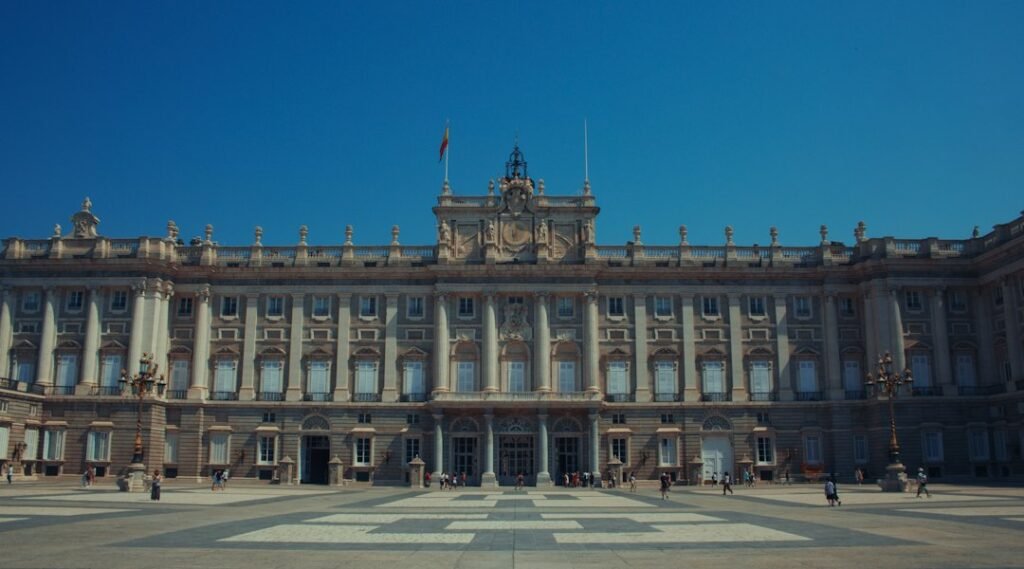
Why go: The Royal Palace is the largest functioning palace in Europe and a stunning showcase of Baroque architecture.
What to do:
Pro tip: Purchase a combined ticket for the Palace and the nearby Almudena Cathedral to save €2 and skip the separate lines.
Why go: This 17th‑century square is the social hub of the old town, framed by elegant arcades and buzzing cafés.
What to do:
Pro tip: The plaza is free, but you’ll find souvenir stalls selling “Madrid” magnets and flamenco dresses—shop early to avoid the crowds.
Why go: Known as “the heart of Spain,” Puerta del Sol is where the famous “Kilometer Zero” plaque marks the starting point of Spain’s road network.
What to do:
Pro tip: If you’re visiting on New Year’s Eve, join the massive countdown—Spain’s tradition of eating twelve grapes at midnight begins right here.
—
Why go: Home to over 8,000 paintings, the Prado houses European masterpieces from Velázquez, Goya, and El Greco.
What to do:
Pro tip: Wear comfortable shoes; the Prado’s galleries span three floors and you’ll want to explore at a leisurely pace.
Why go: The Reina Sofía is Spain’s premier modern art museum, famous for Picasso’s Guernica and works by Dalí and Miró.
What to do:
Pro tip: Combine the Reina Sofía with a visit to the nearby Atocha Train Station’s tropical garden—a hidden oasis perfect for a quick photo stop.
Why go: This museum fills the historical gap between the Prado’s classic works and the Reina Sofía’s modern pieces, showcasing European art from the 13th to the 20th century.
What to do:
Pro tip: If you have a tight schedule, purchase the “Madrid Art Pass” (covers Prado, Reina Sofía, and Thyssen‑Bornemisza) for a discounted combined entry and skip‑the‑line privileges.
—
Why go: Once a royal hunting ground, Retiro is now Madrid’s favorite park for picnics, paddle‑boat rides, and cultural events.
What to do:
Pro tip: Pack a picnic basket with jamón ibérico, manchego cheese, and a bottle of Rioja—there are plenty of shaded spots near the Rosaleda (rose garden).
Why go: This historic iron market has transformed into a foodie paradise, offering a curated selection of tapas, seafood, and fine wines.
What to do:
Pro tip: Arrive early (around 10 a.m.) to avoid the lunch rush and secure a seat at the communal tables.
Why go: La Latina’s narrow cobblestone lanes are lined with centuries‑old taverns where locals gather for “tapeo” (tapas hopping).
What to do:
Pro tip: Bring cash (small bills) for the tavern‑style bars that may not accept cards for small orders.
—
Why go: Gran Vía’s dazzling neon lights house theaters, cinemas, and nightclubs that keep the city buzzing until dawn.
What to do:
Pro tip: Discounted “late‑night” tickets are often available after 10 p.m.; check the theater’s website for flash sales.
Why go: This neighborhood is the epicenter of Madrid’s alternative scene, featuring vintage shops, street art, and indie music venues.
What to do:
Pro tip: Many bars in Malasaña offer “carta de pinchos” (small plates) that are perfect for sharing while you explore the nightlife.
Why go: For an authentic Spanish cultural experience, watch a passionate flamenco performance in one of the world’s most renowned tablaos.
What to do:
Pro tip: Book at least two weeks in advance, especially for weekend evenings, as tables fill quickly.
—
| Topic | Quick Advice |
|——-|—————|
| Getting Around | Use the Metro (10‑line network) – a single ticket costs €1.50, and a 10‑trip “Tarjeta Multi” is €12.5. Taxis and ride‑share apps (Cabify, Uber) are also cheap and reliable. |
| Best Time to Visit | Spring (April‑June) and early autumn (September‑October) offer pleasant weather and fewer crowds. |
| Language | Spanish is the official language, but most staff in tourist areas speak English. Learning basic phrases like “¡Hola!” and “Gracias” goes a long way. |
| Safety | Madrid is generally safe. Keep an eye on belongings in crowded areas (e.g., Puerta del Sol) and avoid empty streets late at night. |
| Currency | Euro (€). ATMs are abundant; most places accept contactless cards. |
| Dress Code | Casual daywear is fine; for upscale restaurants and nightlife, smart‑casual attire is recommended. |
—
Madrid isn’t just a city—it’s a living tapestry of art, history, gastronomy, and vibrant street life. From the regal corridors of the Royal Palace to the serene waters of Retiro Park, the city offers something for every traveler. Use this guide to:
1. Explore historic landmarks – Palace, Plaza Mayor, Puerta del Sol.
2. Dive into world‑class museums – Prado, Reina Sofía, Thyssen‑Bornemisza.
3. Savor local flavors – Mercado de San Miguel, La Latina tapas bars, and traditional flamenco dinner shows.
4. Experience nightlife – Gran Vía’s theaters, Malasaña’s indie scene, and authentic flamenco at Corral de la Morería.
5. Navigate with confidence – Metro tips, best travel seasons, safety basics, and budget hacks.
Pack your curiosity, bring comfortable shoes, and let Madrid’s magnetic energy guide you through unforgettable moments. Whether you’re wandering through centuries‑old galleries or dancing until sunrise in a hidden tablao, the capital of Spain promises a journey that will linger in your heart long after you’ve left its sun‑kissed streets.
¡Bienvenidos a Madrid! Your adventure starts now.