—
Imagine stepping out of your hotel and, within a few metro stops, finding yourself in a medieval square, a buzzing street‑art haven, a luxury shopping boulevard, and a family‑friendly parkland—all without leaving the same city. That’s the magic of Madrid neighborhoods. Each district has its own personality, history, and rhythm, making the Spanish capital a patchwork of experiences that can satisfy any traveler, expat, or local.
Whether you’re planning a short stay, looking for a place to call home, or simply want to map out your next weekend adventure, this guide breaks down the most iconic and up‑and‑coming areas of Madrid. We’ll dive into what makes each neighborhood special, highlight must‑see attractions, and give you practical tips on where to eat, stay, and explore. Let’s wander through the streets of Spain’s capital and discover the hidden gems that turn a simple visit into an unforgettable story.
—
If you want to feel the pulse of old‑world Madrid, you can’t miss the historic core. This area is where the city’s royal past meets its modern hustle, offering a perfect blend of architecture, culture, and nightlife.
| Spot | What to Do | Insider Tip |
|——|————|————-|
| Puerta del Sol | Snap a selfie at the iconic “El Oso y el Madroño” statue; shop at the bustling Gran Vía. | Visit early morning to avoid crowds and enjoy a quiet coffee at a nearby café. |
| Plaza Mayor | Stroll the arcaded square, sample tapas at the outdoor terraces. | Grab a bocadillo de calamares from a stall—this is a local classic. |
| Royal Palace & Almudena Cathedral | Tour the opulent interiors and the beautiful gardens. | Free entry on Monday afternoons; bring a passport for verification. |
| Austrias (Palacio Real, Plaza de Oriente) | Walk the historic streets lined with 17th‑century palaces. | Stop at the Café de Oriente for a pastry with a view of the palace. |
| La Línea (La Latina) | Explore narrow lanes, vintage shops, and the famous Cava Baja tapas route. | Sunday is El Rastro market day—perfect for vintage hunting. |
—
These districts are the creative engines of Madrid, where street art, indie boutiques, and a thriving LGBTQ+ scene converge. If you love discovering hip cafés, live music, and cultural festivals, these neighborhoods are your playground.
Explore Calle Fuencarral for cutting‑edge fashion, and Plaza del Dos de Mayo for buzzing bars.
Don’t miss the Murales de Malasaña—colorful murals that make perfect Instagram backdrops.
Visit Plaza de Chueca for people‑watching, and Mercado de San Antón for gourmet food stalls.
Nightlife shines at Del Diego cocktail bar and Museo del Romanticismo for a cultural twist.
Wander Calle Argumosa for tapas bars with live flamenco, and Tabacalera, an abandoned tobacco factory turned cultural center.
Check out the Centro de Arte Reina Sofía annex for contemporary exhibitions.
1. Street‑Art Tour: Join a free walking tour (often organized by local NGOs) to learn the stories behind Lavapiés’ murals.
2. Shop Local: In Malasaña, look for independent designers at Uterqüe Pop‑Up and Coco & Co—great for unique souvenirs.
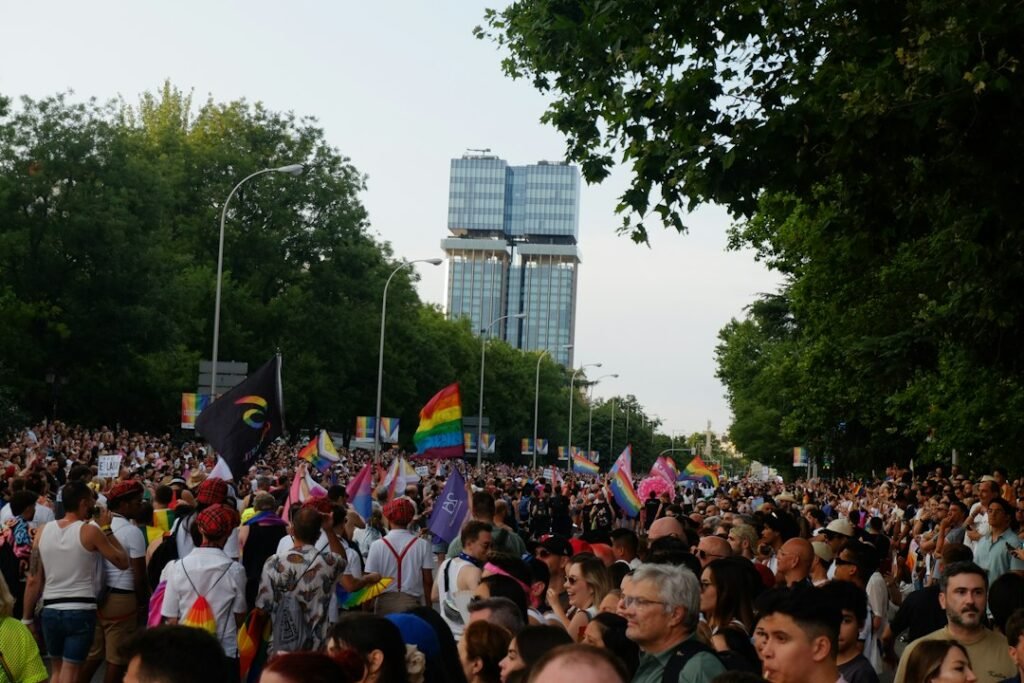
3. LGBTQ+ Events: Chueka hosts the Madrid Pride parade every June; book accommodation early as the city fills up fast.
—
For those who crave luxury shopping, elegant architecture, and expansive green spaces, the upscale districts of Madrid deliver sophistication without sacrificing the city’s lively spirit.
Shop along Calle Serrano and Golden Mile for designer labels (Loewe, Chanel).
Dine at Ramon Freixa (two‑Michelin‑star) for a culinary treat.
Explore the Museo Sorolla, showcasing the painter’s luminous works.
Relax at Plaza de Chamberí, surrounded by classic cafés and vintage bookstores.
Visit the Crystal Palace (Palacio de Cristal) for contemporary art installations.
Stroll the Paseo del Prado for a quiet walk among statues and fountains.
—
If you’re looking for budget‑friendly living, authentic local vibes, and a strong sense of community, these southern districts offer a refreshing alternative to the tourist‑heavy centre.
Shop at Mercado de Carabanchel for fresh produce and traditional Spanish delicacies.
Enjoy the Parque de la Cuña Verde de O’Donnell, a spacious green area perfect for picnics.
Visit Estadio de Vallecas to catch a local match (Rayo Vallecano).
Explore the Calle de la Paz for affordable tapas and live music venues.
Taste authentic Chinese and Korean dishes on Calle de la Fuente.
Relax at Parque de Pradolongo, a family‑friendly park with playgrounds and sports facilities.
1. Public Transport Savings: Purchase a Tarjeta Transporte Público (monthly travel card) for unlimited rides across all zones—ideal for daily commuters.
2. Local Markets: Shop at Mercado de Vallecas on Saturdays for the best prices on fresh fish, meat, and seasonal fruits.
3. Community Events: Look for “Feria del Barrio” festivals (held in summer) where you can enjoy free concerts, craft stalls, and traditional dances.
—
Madrid’s neighborhoods are more than just geographic divisions; they’re living, breathing stories that reflect the city’s past, present, and future. From the historic grandeur of Sol and La Línea, to the artistic pulse of Malasaña and Chueca, the luxury of Salamanca and the serenity of Retiro, and the affordable charm of Carabanchel and Vallecas, each district offers a distinct flavor that can suit any travel style or lifestyle.
Key Takeaways
No matter which neighborhood you choose, Madrid welcomes you with open arms, a glass of tinto de verano, and a promise that every corner holds a new adventure. So pack your walking shoes, bring a curious mind, and let the neighborhoods of Madrid guide you to unforgettable moments.
—
Ready to explore? Bookmark this guide, share it with fellow travelers, and start planning your Madrid itinerary today!