—
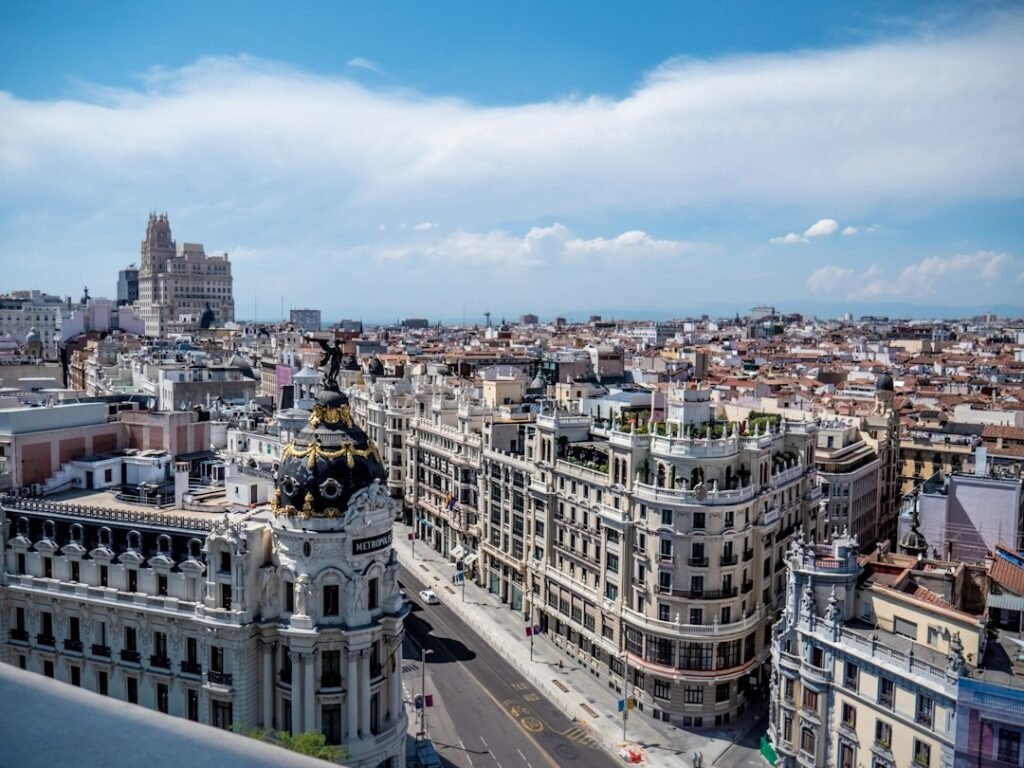
If you’ve ever walked the cobblestone streets of Madrid, you’ve probably heard the city’s heartbeat in the clatter of plates, the sizzle of olive oil, and the lively chatter of diners spilling out onto plazas. Madrid isn’t just Spain’s political capital; it’s a culinary crossroads where centuries‑old traditions meet daring modernity. From humble tapas bars tucked behind historic façades to Michelin‑starred temples of avant‑garde cuisine, the capital offers a dining experience that can satisfy any palate and budget.
In this guide we’ll take you beyond the typical “tourist‑trap” recommendations and dive into the neighborhoods, dishes, and insider tips that make Madrid’s restaurant scene truly unforgettable. Whether you’re a first‑time visitor, a seasoned gastronome, or a local looking for fresh ideas, these actionable recommendations will help you plan the perfect food itinerary.
—
Tapas are more than just small plates; they’re a social ritual that embodies Spain’s love of sharing, conversation, and spontaneity. In Madrid, the tapas tradition has been refined over centuries, and many historic bars still serve the classic recipes that locals have cherished for generations.
| Restaurant | Neighborhood | Signature Tapas | Insider Tip |
|————|————–|—————-|————-|
| El Tigre | Chueca | Patatas bravas, chorizo al vino, giant cheese platter | Order a drink and the free tapa mountain arrives automatically |
| Casa Lucio | La Latina | Huevos rotos (broken eggs over potatoes) | Arrive early; the line can be long but the wait is worth it |
| Taberna La Bola | Sol | Cocido madrileño (stew) in a tapas‑size bowl | Ask for “cocido a la taza” for a quick, hearty bite |
| Bodega de la Ardosa | Malasaña | Croquetas de jamón, ensaladilla rusa | Try the historic cerveza (beer) served in a vintage glass |
1. Timing is key – The best tapas are served from 8 p.m. to 11 p.m. Arriving just before the rush ensures fresher plates.
2. Share like a local – Order 3–4 different dishes and let the group sample everything. It’s cheaper and more fun.
3. Cash‑only bars – Many historic taverns still prefer cash; keep a few euros handy to avoid surprise refusals.
—
Over the past decade, Madrid has transformed into a hub for avant‑garde chefs who blend Spanish heritage with global influences. The city now boasts seven Michelin‑starred restaurants (as of 2024), each offering a distinct narrative on what modern Spanish food can be.
| Restaurant | Stars | Chef | Signature Dish | How to Book |
|————|——-|——|—————-|————-|
| DiverXO | 3 | David Muñoz | “Molecular” croquette with liquid foie gras | Book 2–3 months ahead; request a tasting menu |
| Ramon Freixa Madrid | 2 | Ramón Freixa | Sea bass with citrus foam | Reserve via the hotel concierge for best availability |
| Santceloni | 2 | Óscar Velasco | Lobster with saffron broth | Opt for the “Chef’s Table” for a behind‑the‑scenes view |
| El Club Allard | 2 | José Carlos Fuentes | Olive oil sorbet with smoked ham | Mid‑week lunches are less pricey |
| Coque | 1 | Mario Sandoval | Charred pork belly with apple gel | Look for “tasting menu + wine pairing” for value |
—
While the city centre dazzles, some of the most authentic culinary experiences are hidden in the quieter streets of Malasaña, Chamberí, and Lavapiés. These neighborhoods offer a mix of traditional taverns, innovative pop‑ups, and multicultural eateries.
Tip: Walk down Calle de la Palma; you’ll find hidden courtyards with outdoor seating perfect for sunset drinks.
Tip: Use the Metro line 1 (blue) to get to the “Tribunal” station; the area is pedestrian‑friendly and perfect for a leisurely lunch stroll.
Tip: Visit on a Saturday morning when the market opens; you can sample fresh produce and chat with local vendors.
—
Madrid’s reputation as a gourmet capital doesn’t mean you need a hefty wallet. The city’s markets, casual eateries, and “menú del día” (set lunch menus) provide delicious, affordable options for travelers and students alike.
Most restaurants offer a three‑course set menu (starter, main, dessert) plus a drink for €12‑€15, available Monday to Friday from 1 p.m. to 4 p.m. Look for the sign “Menú del Día” on the window.
Best Value Picks:
Budget Hack: Carry a reusable water bottle; most public fountains (fontanillas) in Madrid provide clean drinking water for free.
—
Madrid’s restaurant landscape is a vibrant tapestry that weaves together centuries‑old traditions, cutting‑edge gastronomy, and neighborhood charm. By exploring the historic tapas bars, indulging in Michelin‑starred experiences, wandering through local districts, and savoring budget‑friendly market eats, you’ll gain a full‑spectrum taste of the city’s soul.
Key Takeaways
1. Start with tapas – It’s the easiest way to sample a variety of flavors and mingle with locals.
2. Reserve ahead for high‑end dining – Michelin‑starred spots fill up fast; plan weeks in advance.
3. Explore neighborhoods – Malasaña, Chamberí, and Lavapiés each offer distinct culinary personalities.
4. Use the “menú del día” – It’s the most cost‑effective way to enjoy a three‑course meal.
5. Visit markets – Fresh produce, ready‑to‑eat stalls, and a lively atmosphere make them perfect for a midday break.
Whether you’re craving the smoky allure of jamón ibérico, the delicate balance of a saffron‑infused seafood risotto, or the comfort of a tortilla española on a rainy afternoon, Madrid’s restaurants have something to satisfy every craving. So grab a map, a healthy appetite, and let the capital’s food scene guide you on an unforgettable culinary adventure. Bon appétit – or, as the Madrileños say, ¡Buen provecho!